Child Participation
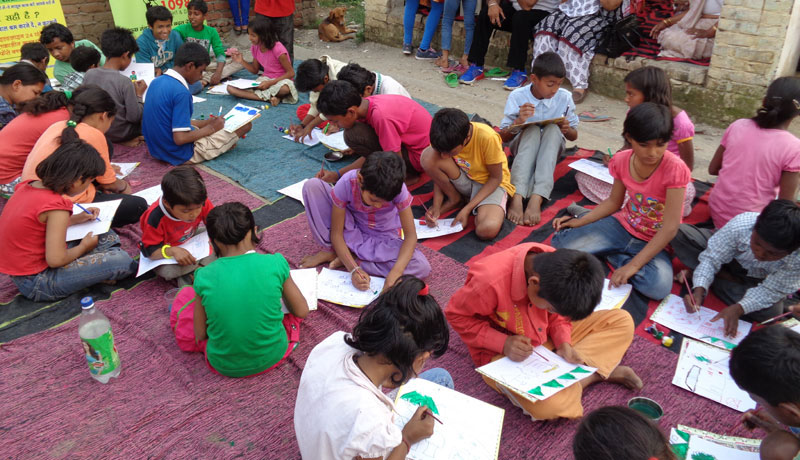
 Building a space where children’s voices are heard and where they can influence the outcomes impacting their lives. Creating a safe space for children to voice their opinions . Empowering children through Bal Sangathans to be leaders, advocates, and active contributors in their communities. The children develop critical life skills, advanced social inclusion, and contributed meaningfully to local governance, environmental conservation, and health awareness:
- Girls in Leadership
A remarkable 80% of Bal Sangathans are led by girls, highlighting increased agency, confidence, and gender equality in community engagement. - Inclusive Child Participation and Respect for Diversity
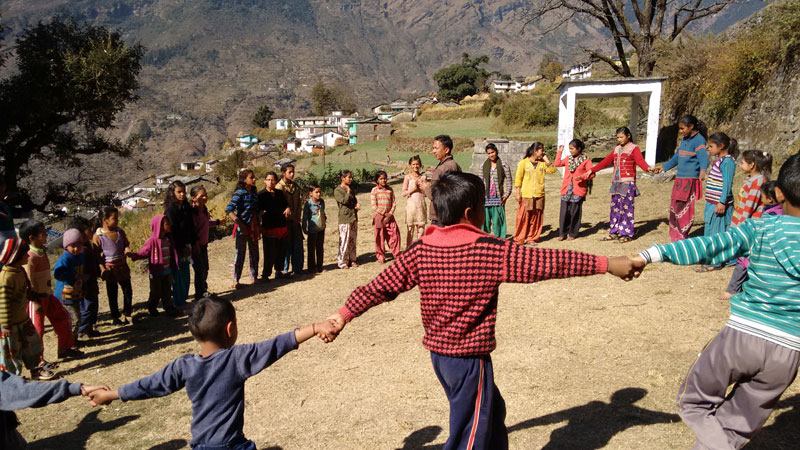
The Bal Sangathans include children across lines of gender, caste, age, ability, and religion, fostering a safe and inclusive space for all. Cross-village collaboration further promotes solidarity and shared learning. - Leadership and Community Engagement
Children now participate in Village Level Child Protection Committees and School Management Committees, where they present issues, offer solutions, and contribute to local decision-making—earning increased recognition from adults and local leaders. - Empathy and Peer Support
Members demonstrate empathy by supporting one another, mentoring younger children, and building collective strength across different Sangathans. - Teamwork and Decision-Making
Children consistently practice group-based decision-making, encouraging cooperation and offering leadership roles to younger members to ensure continuity and growth. - Planning and Organizational Skills
Children plan and implement various activities—from community surveys to environmental campaigns—showing maturity in logistics, time management, and follow-through. Drawing participation from community stakeholders including pradhans, ward members, ASHA workers, and Anganwadi staff. - Communication and Creative Expression
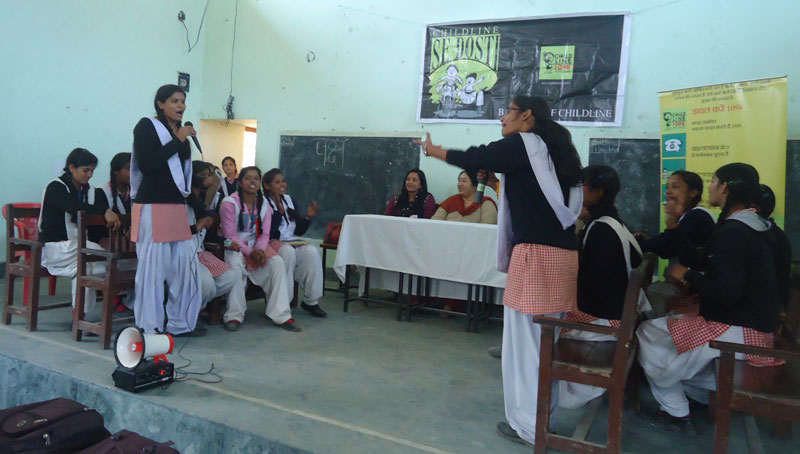
Bal Sangathan members now engage confidently with parents, community members, and local authorities. Their contributions to the PABAM magazine and a national online presentation on Protecting our Environment demonstrate communication and digital skills. They have learnt to raise their issues through Nukkad Nataks and Rallies - Environmental and Social Awareness
The children’s understanding of environmental responsibility and health practices has increased. Their sanitation mapping efforts have led to actionable outcomes like public clean-ups and better hygiene behaviors in communities. - Exposure and Broadened Perspectives
Virtual exchanges with children from other states have fostered empathy, curiosity, and a broader understanding of social challenges such as sanitation, substance abuse, and child rights. - Awareness of Rights and Responsibilities
Through every aspect of the program, children are learning to balance their rights with responsibilities, emerging as thoughtful and engaged members of their communities.